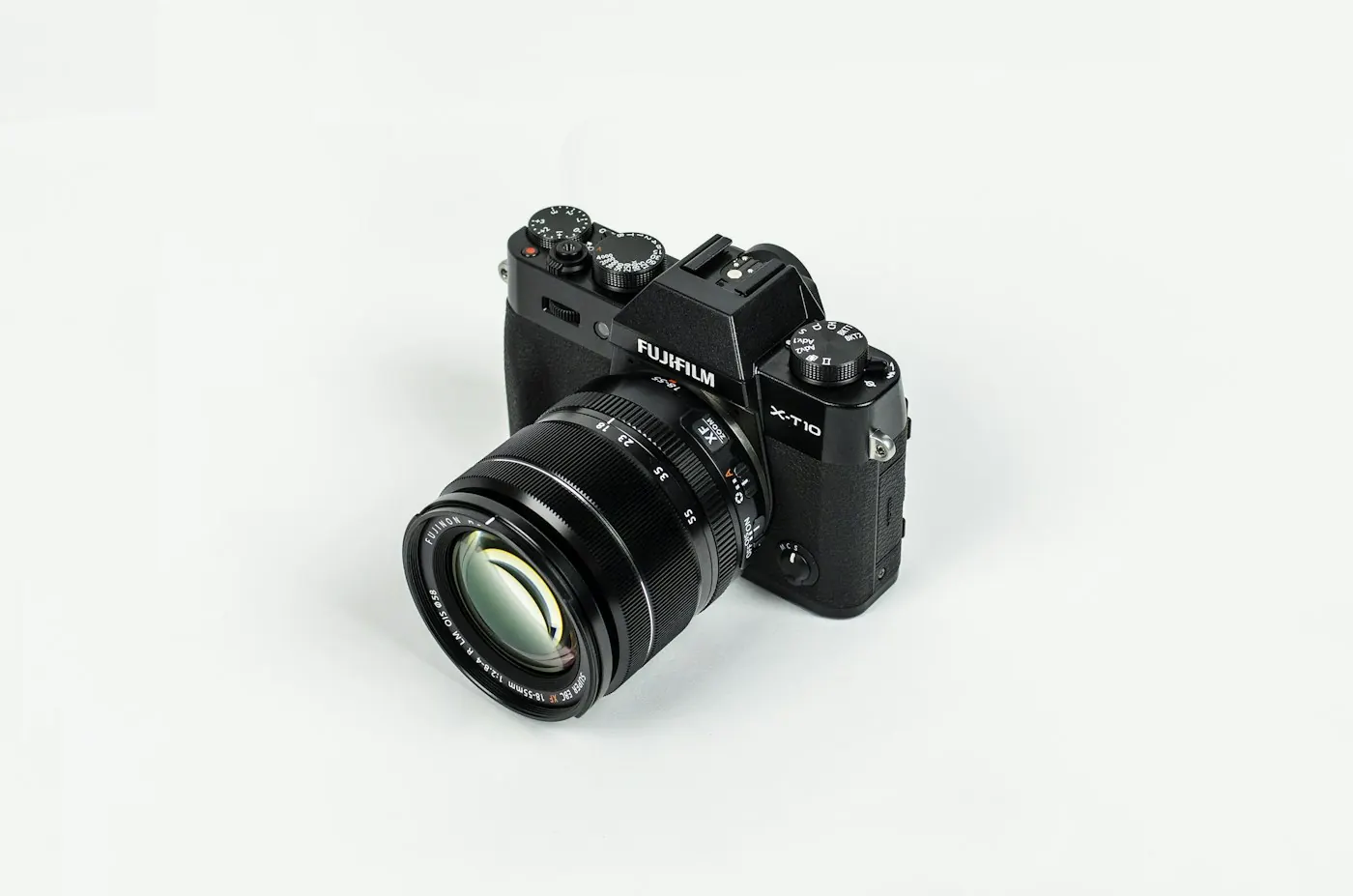
A digital camera turns incoming light into a collection of values. Its lens, sensor, and processing decisions all shape the resulting picture. The file is a representation of the scene, produced under a particular set of conditions.
Exposure changes the amount of light gathered, while processing affects how the recorded information appears. A bright screen can make a photograph feel different again. It helps to separate the scene, the captured values, and the displayed image.
Compare two photographs of the same subject under different lighting. Notice which details become easier to see and which disappear. This is a simple way to understand why an image can be useful without being a complete or neutral record of everything in front of the camera.
- Compare the same subject under different light.
- Separate capture from display.
- Notice the details the picture leaves out.
Imagine a practical setting.
A photograph of the same desk taken at two times of day may show different color and contrast. The captured light shapes the recorded image.
Before the next experiment.
Keep uncertainty visible without abandoning the observation. A result can be informative even when its limits deserve a sentence beside it.
Follow a related question
Choose one ordinary goal.
Review one complete flowRecord the reason for the shortcut.
A shortcut with a later costKeep learning
Related background to continue exploring this subject.
NASA: science learning resources NIST: the International System of Units