An instrument may show a reading in very small steps. Those steps describe its displayed resolution, but they do not by themselves establish how closely the reading matches the quantity you want to measure.
Consider the method and the conditions alongside the display. A finely marked ruler is difficult to use precisely if the object’s edge is unclear. A digital instrument can have many digits while still needing calibration or a careful placement.
Choose the detail appropriate to the question and avoid reporting unsupported precision. A result with a clear explanation of its limits is more informative than a long number with no account of how it was obtained.
- Identify the smallest displayed step.
- Check what affects the reading’s accuracy.
- Report detail that the method can support.
Imagine a practical setting.
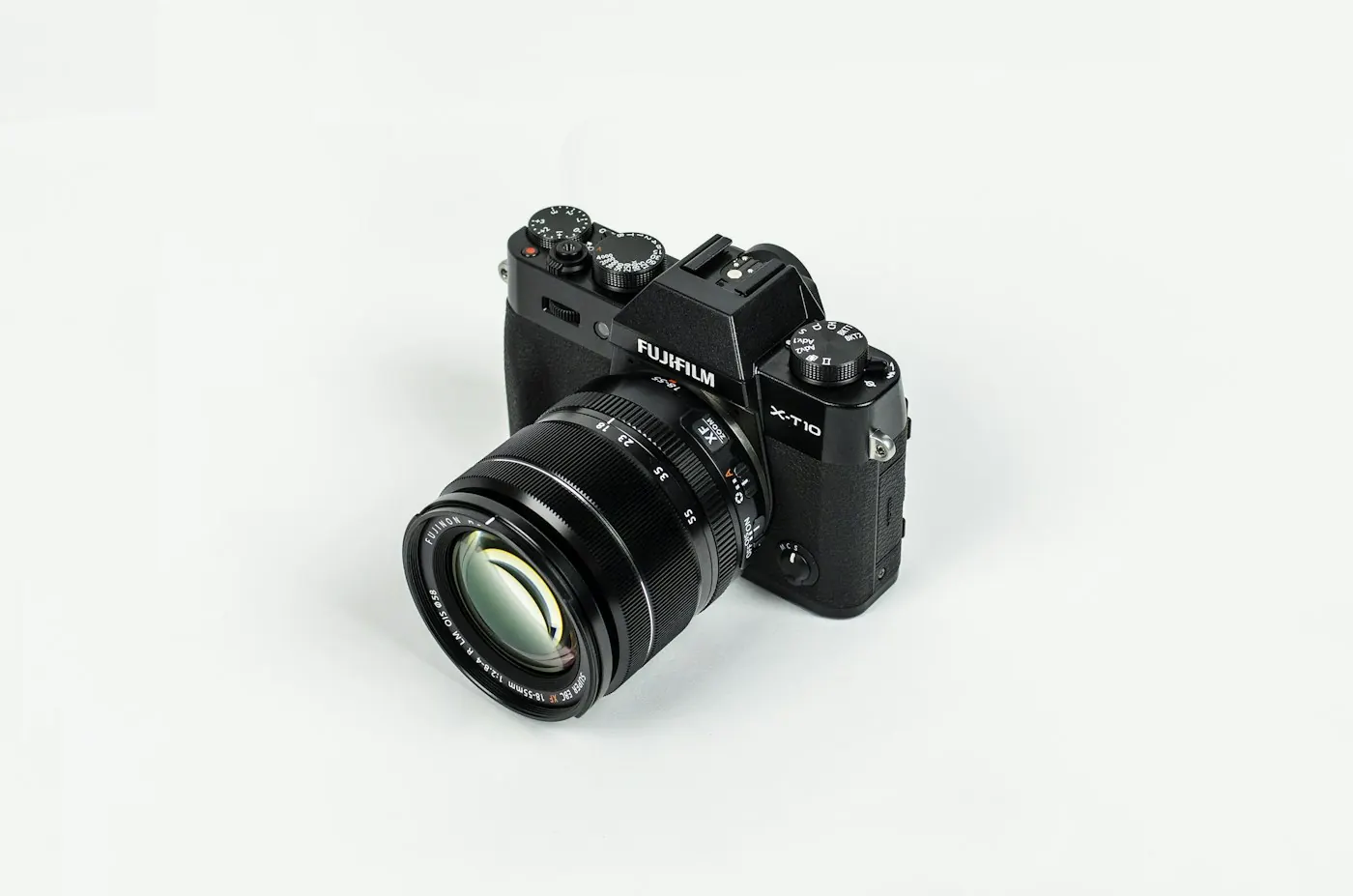
A display with more pixels can still show an image captured with poor focus. Extra samples do not explain every limit in the picture.
Before the next experiment.
A precise looking number can still leave an important question unanswered. Check the unit and the range of conditions before giving the digits too much authority.
Follow a related question
Give each text level a role.
A type scale with a jobDescribe the shared expectations.
Small interfaces with a long lifeKeep learning
Related background to continue exploring this subject.
NASA: science learning resources NIST: statistical engineering